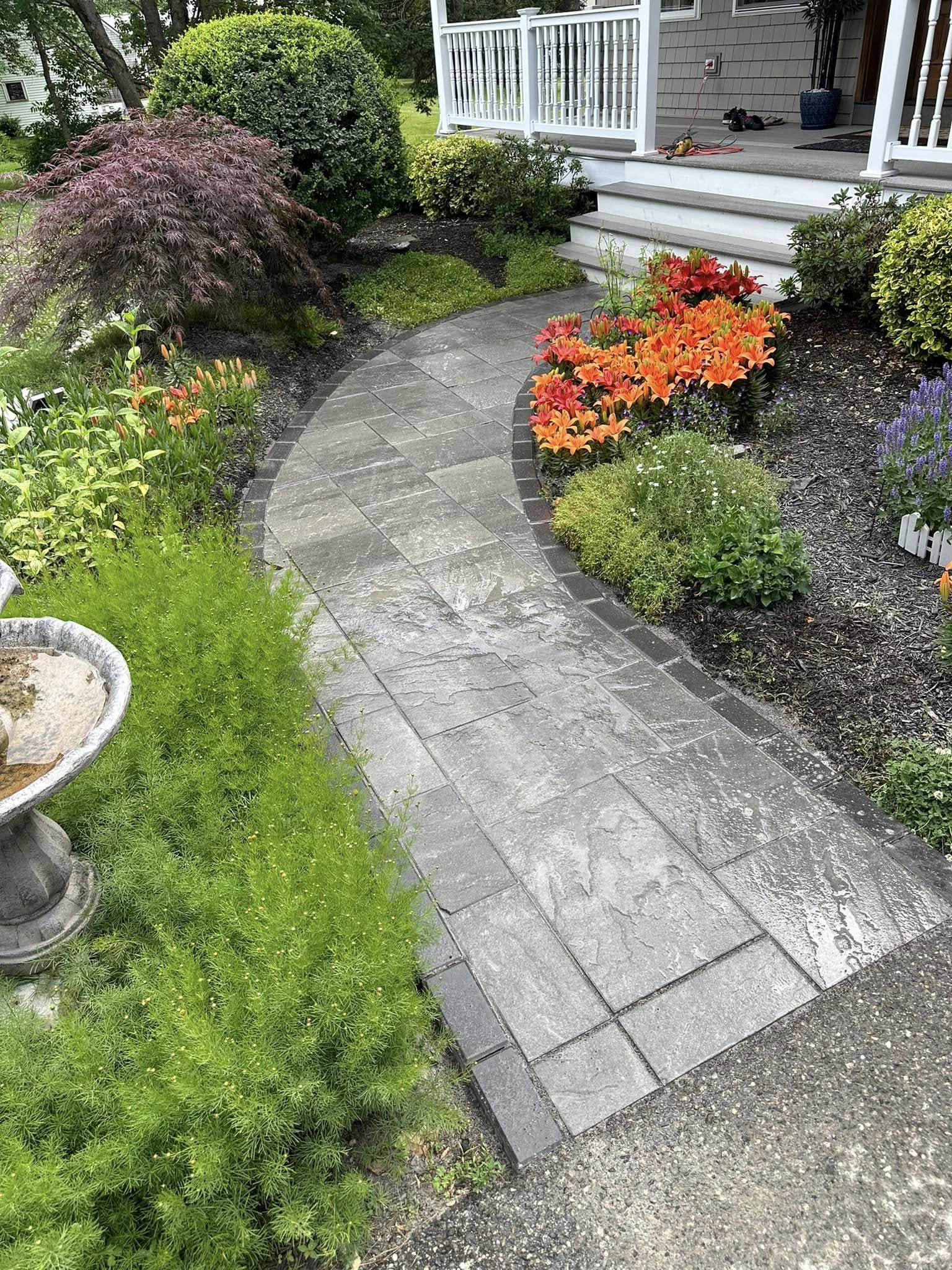
Beyond Aesthetics: Sustainable Hardscaping Practices for Eco-Friendly Properties Jun 15, 2026
Hardscaping refers to the non-living elements of landscaping—such as patios, walkways, and retaining walls. These elements offer the structural framework for your outdoor space. Sustainable hardscaping ensures that these features are designed and installed using environmentally conscious methods and materials. At Pine Stream Property Management, we believe that sustainable hardscaping goes beyond aesthetics; it is about creating a lasting impact with minimal environmental disruption.
The concept of permeability is critical in sustainable hardscaping. Permeable materials allow water to permeate the surface, reducing runoff and facilitating natural drainage. Using materials like porous pavers or gravel can significantly improve the water management of your property. This approach is not only beneficial for the environment but can also prevent costly water damage and erosion over time. Permeable paving is a simple yet effective way to combat runoff issues and preserve your landscape.
Another important aspect of sustainable hardscaping is choosing locally-sourced materials. By selecting stones, gravel, or other building materials that are native to your area, you reduce the carbon footprint associated with transportation. Additionally, these materials often better complement the natural landscape, creating a cohesive look while supporting local businesses and conserving resources.
Incorporating recycled materials into your hardscaping design can also enhance sustainability. Options such as recycled concrete or reclaimed wood reduce the demand for new materials and minimize waste. Such choices reinforce the commitment to environmentally friendly practices, showing that high-quality design can be achieved responsibly and innovatively.
Water conservation is another key factor in sustainable hardscaping. Traditional lawns and gardens can require significant amounts of water, putting a strain on local resources. By integrating drought-tolerant plants and efficient irrigation systems alongside your hardscape features, you can maintain a lush landscape that conserves water. Native plants, in particular, are well adapted to local climates and often require less maintenance and watering.
Finally, consider how your hardscaping design can support local wildlife. Features such as bird baths, bee hotels, and strategically placed rocks or logs can provide habitats for diverse species. Encouraging biodiversity within your property not only enhances its ecological value but also brings vibrancy and life to your outdoor space.
In conclusion, sustainable hardscaping practices offer numerous benefits that extend beyond enhancing property aesthetics. By using permeable materials, sourcing local and recycled materials, and promoting water conservation and biodiversity, property owners can create environmentally-friendly outdoor spaces. Pine Stream Property Management is dedicated to guiding you through this process, ensuring that your hardscaping projects not only meet aesthetic goals but also contribute positively to the environment. Let us help you transform your property into a stunning and sustainable oasis.
/filters:no_upscale()/filters:format(webp)/media/b12c105a-b0d3-4cb1-b1e1-da44fe63476b.jpeg)